
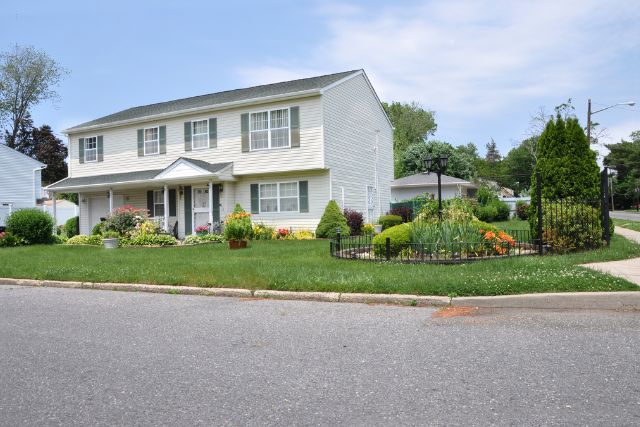
Is It Good to Buy a Corner Lot?
Yes, buying a corner lot can be a good idea, but not always. Corner lots have their pros and cons just like any other type of property, so it really comes down to whether the tradeoffs work for you and your lifestyle.
In this post, we’ll look at some benefits and drawbacks of corner lots and what buyers should check before deciding if one is the right fit.
What Are the Benefits of a Corner Lot?
Living on a corner has its perks. Here are some of the top benefits of buying a corner lot.
More usable outdoor space
One of the main reasons buyers like corner lots is the possibility of having more outdoor space to work with. For a buyer who wants room for a garden, a patio, kids to play, or more separation from the next house, that extra space can make the property much more useful.
That said, the keyword here really is “usable.” A corner lot is only an advantage if the space actually adds something to how you live there.
Easier access around the property
That extra outdoor space also often gives you easier access to different parts of the property.
Because the home may have exposure on two sides, it can sometimes be easier to do all kinds of things, like reaching the backyard, adding a side gate, managing landscaping, or bringing equipment in and out without having to squeeze through a narrow space between houses.
Of course, this isn’t guaranteed, as the layout still matters. But when the lot is set up well, that extra access can make everyday things like yard work, parking, storage, or future exterior projects a little more convenient.
More separation from neighbouring homes
Most interior lots have the same basic setup: a neighbour on one side, a neighbour on the other, and a backyard behind you. But a corner lot changes that.
Since one side of the property faces the street instead of another house, the home can feel a little less boxed in. That bit of separation can be appealing if you don’t like the feeling of being closely surrounded by neighbouring homes.
Note that it’s not the same thing as privacy, though. You may have fewer neighbours directly beside you, but you may also have more exposure to passers-by.
What Are the Disadvantages of Corner Lots?
Although there’s a lot to like about corner lots, they’re certainly not for everyone. Here are some potential disadvantages of buying a corner lot.
Less privacy than you might think
A corner lot can look spacious, but once you’re standing in the yard, it may be more exposed than expected. This is especially true if the side of the property runs along a sidewalk or street, as people may be passing closer to your outdoor space than they would on a regular interior lot.
Sure, fences and landscaping can help, but they may not get rid of that exposed feeling completely. More space is great, but not always at the expense of less privacy.
More upkeep outside
With a corner lot, you may have more grass to cut, more sidewalk to clear, and more property edges to keep tidy. They’re the kind of maintenance tasks that may not even cross your mind when you’re walking through the home, but they can certainly hit you once you’re the one dealing with snow, leaves, landscaping, and regular yard work.
More traffic around the home
A quiet corner lot and a busy corner lot are two very different things. And this is one of those things that can be easy to miss if you only see the home once, especially during a slower time of day.
So, if you’re hoping for one of the quieter ones, try to get out in the yard at different times throughout the day to pay attention to what’s happening on both streets, not just the one the home faces. A few extra cars may not bother you, but regular turning traffic, headlights, or people using the street as a shortcut can make the property feel much less peaceful.
What Should You Check Before Buying a Corner Lot?
In addition to traffic throughout the day, it’s worth checking a few other details that also may not be obvious during a regular showing, including:
- Property lines. Make sure you understand what land actually belongs to the property and what may be a boulevard, easement, or municipal land.
- Fence rules. Corner lots may have different height or placement rules because of street visibility.
- Setback requirements. These can affect plans for additions, garages, sheds, or other exterior changes.
- Driveway placement. Check whether the existing driveway works well and whether there are limits on moving or expanding it.
- Snow and sidewalk responsibilities. Confirm how much sidewalk you would be responsible for clearing and maintaining.
- Utilities and sightlines. Look for utility boxes, hydrants, signs, or visibility requirements that could limit how you use the yard.
- Resale appeal. Think about whether the corner location would be seen as a benefit or a drawback by future buyers in that neighbourhood.
All of these things can help you better understand what you’re actually buying. A lot can look great at first glance, but the details will tell you whether the extra space is useful, restricted, easy to maintain, or likely to become frustrating later.
Ready to Find the Right Corner Lot?
A corner lot can be a great choice when factors like the layout, upkeep, and street exposure all make sense for how you want to live. After all, it’s not just about whether the lot is bigger or more visible. It is about whether those details actually work for you.
And that’s where it can help to have the right guidance. Hawkins Real Estate Group can help you compare the lot, the street, and the surrounding neighbourhood before you make a decision, so you can feel confident you’re choosing a property that fits. Check out our property listings or contact us to speak with one of our agents today.
Blog Posts

7 Signs a House Is a Cheap Flip
You can usually tell a house is a cheap flip when it looks shiny and new on the surface, but shows underlying issues upon closer inspection — think uneven floors,…
Read More
What Is a Balanced Market in Real Estate?
When it comes to real estate, there are many different terms that get thrown around. One you may have heard recently is “balanced market.” But what does this mean? And…
Read More
A Realtor Provides the Most Accurate Real Estate Listings
In today’s market, there are a number of options for searching real estate listings. You can look online at hundreds of sites, pick up free magazines and brochures, or you…
Read More