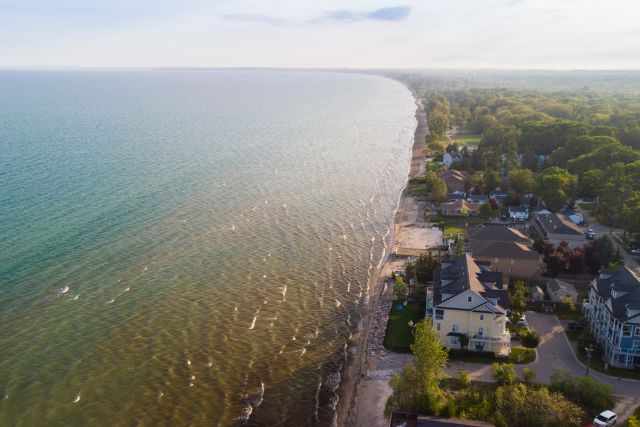
Yes, Wasaga Beach can be a great place to live, especially if you enjoy spending time outdoors, prefer a smaller-town atmosphere, and want to live close to Georgian Bay. That said, it’s still important to consider whether the town suits your everyday needs. Things like commuting, access to amenities, and even which neighbourhood you choose can make a big difference in whether you'll enjoy living...
You can speed up the home-buying process by preparing your financing early, lining up the right professionals, booking inspections promptly, and staying on top of conditions and closing tasks. Even a small holdup can leave you scrambling when a condition deadline or closing day is approaching. Of course, you can’t control every delay, but getting ahead of the tasks on your end can save you time when...
A final walkthrough checklist typically involves confirming that nothing major has changed with the home and that any items the seller agreed to take care of have been completed. It’s usually a pretty straightforward list to work through. However, it can save you from discovering an annoying surprise after you already have the keys. In this post, we’ll walk through when to do your final...
Before making an offer on a house, it helps to know what you can afford, what the home may be worth, and which terms you’re comfortable with. After all, once you find a place you really like, things can move quickly, and that’s not the best time to start figuring out your limits. In this post, we’ll go over six things to do before making an offer so you’re ready when the right home comes...
There’s really no set number of times you should view a house before buying it. In practice, many buyers feel confident after 1–2 viewings of a specific home, and some experts recommend at least two for serious contenders (first emotional, second methodical). Basically, though, you should just aim to attend enough viewings to be comfortable with the property and be sure you haven’t left any...
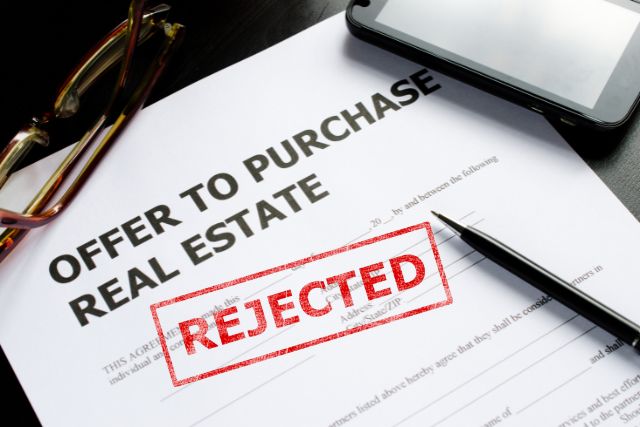
There are lots of reasons a seller may reject an offer. It may be because of the price, conditions, closing date, competing offers, or other terms that don’t work for them. The frustrating part for buyers is that an offer can look perfectly reasonable on paper and still lose out for reasons that have little to do with price. In this post, we’ll look at the main reasons sellers reject offers,...
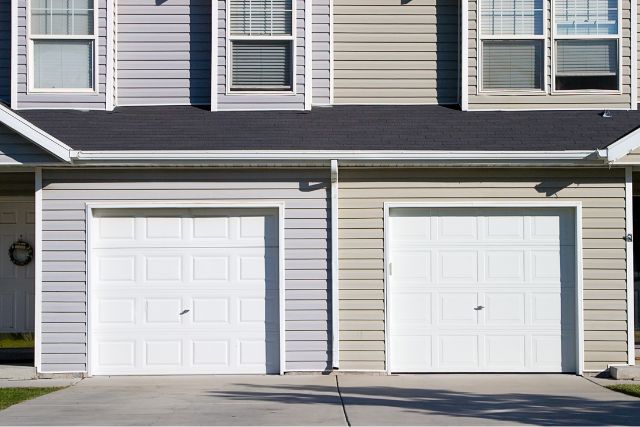
In most cases, you should consider buying a house with a shared driveway if the legal access, maintenance responsibilities, and parking rules are clear and workable. Sure, a shared driveway may not be ideal, but it isn’t automatically a problem either. You just need to understand how it is owned, used, and maintained before making an offer. In this post, we’ll explain how shared driveways work,...
You can usually tell a house is a cheap flip when it looks shiny and new on the surface, but shows underlying issues upon closer inspection — think uneven floors, lingering moisture, or half-updated plumbing or electrical. And it’s something that you’ll want to spot, because the “new” look can distract you from problems you’ll be the one paying to fix later. In this post, we’ll...
Choosing to walk away after a home inspection can feel dramatic. But if you’re staring at a report packed with warnings, photos, and a dozen things labeled “recommend further evaluation”, it can be hard not to at least consider it. Just don’t consider it for too long. In most contracts, your inspection contingency comes with a deadline, and that’s usually the window that protects your...
Buyer fatigue has a funny way of sneaking up on you during house hunting. It’s like one day, hopping around from home to home is exciting, and the next it feels like a part-time job you didn’t apply for. The good news is that, as annoying as it can be, buyer fatigue is super common, and it doesn’t even mean you’re doing anything wrong. You may just need to make a few changes to your...